
Creating a home office that balances relaxation and productivity is essential in today’s work-from-home culture. A thoughtfully designed workspace can improve focus, reduce stress, and make your workday more enjoyable. Whether you have a small nook or a dedicated room, these tips will help you transform your home office into a comfortable and efficient environment.
Choose the Right Location
Find a Quiet Spot
Select an area with minimal distractions. A quiet corner or a spare room away from heavy household traffic works best. This helps you maintain concentration and separates work from home life.
Consider Natural Light
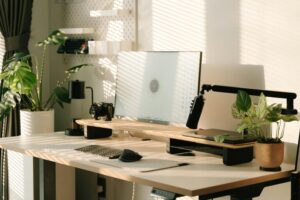
Position your desk near a window if possible. Natural light boosts mood and energy levels, making long work hours feel less tiring. Avoid glare on your computer screen by adjusting blinds or using a sheer curtain.
Invest in Comfortable Furniture
Ergonomic Chair and Desk
Comfort is crucial to staying productive and avoiding physical strain. An ergonomic chair supports your back and encourages good posture. Pair it with a desk at an appropriate height for typing and writing.
Add Support Accessories
Use accessories like a footrest, keyboard tray, or adjustable monitor stand to further improve comfort. These small adjustments can reduce fatigue and improve your productivity throughout the day.
Keep the Space Organized
Declutter Regularly
A clean, clutter-free space promotes a clear mind. Set aside a few minutes daily to tidy up your desk and organize papers or supplies. Use storage solutions like shelves, bins, and drawers to keep everything in its place.
Use Organizational Tools
Calendars, planners, and digital apps help you manage tasks effectively. Label drawers or containers to easily find items and reduce time spent searching for essentials.
Personalize Your Workspace
Add Inspiring Decor
Incorporate elements that make you feel calm and motivated. This could be artwork, plants, or photos. Plants, in particular, bring life to the space and improve air quality.
Use Soothing Colors
Choose calming colors such as soft blues, greens, or neutrals for your walls and accessories. These tones help reduce stress and create a peaceful work atmosphere.
Manage Noise and Distractions
Use Noise-Canceling Headphones
If you can’t control the surrounding sounds, noise-canceling headphones or earbuds can help you stay focused by blocking out background noise.
Set Boundaries with Household Members
Communicate your work hours and explain the importance of minimizing interruptions. Signs or signals—for example, a closed door—can remind others when you need quiet time.
Optimize Lighting for Productivity
Use Task Lighting
In addition to natural light, a good desk lamp with adjustable brightness allows you to focus on detailed work without straining your eyes.
Avoid Harsh Lighting
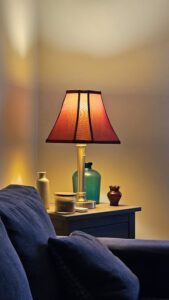
Steer clear of overly bright or flickering lights that cause discomfort or headaches. Soft, warm-toned bulbs create a gentle environment conducive to longer work sessions.
Incorporate Break-Friendly Elements
Create a Relaxation Zone
If space allows, designate a small area for breaks—a comfortable chair or floor cushion where you can stretch, meditate, or unwind briefly during the day.
Encourage Movement
Keep a water bottle nearby to stay hydrated and set reminders to stand up or walk around regularly. Physical movement boosts energy and prevents stiffness.
Use Technology Wisely
Optimize Your Equipment
Ensure your computer, keyboard, mouse, and other devices suit your needs and are functioning properly. Slow or malfunctioning technology can disrupt your workflow and increase frustration.
Remove Digital Clutter
Keep your desktop and browser tabs organized to avoid feeling overwhelmed. Use apps that block distracting websites during work hours to help maintain focus.
Set a Routine and Stick to It
Define Work Hours
Treat your home office as a professional space by setting specific work hours. Starting and ending your day consistently helps maintain balance between employment and personal life.
Structure Your Day
Create a daily schedule with prioritized tasks and designated break times. Breaking work into manageable segments increases your efficiency and motivation.
—
By creating a home office that feels both relaxing and productive, you can improve your overall work experience. Applying these tips will help you establish a workspace that supports your well-being and helps you get things done with less stress. Remember, the ultimate goal is to create a space where you want to spend your time and can focus on your best work.